Is Solar Worth It in Karachi? Savings and Payback Under Net Billing
Quick answer: For most Karachi homes and businesses, yes. Every unit your panels supply directly saves you the full K-Electric tariff. Since net billing started in February 2026, exported units earn much less, so solar is most worth it when the system is sized to your daytime use. Payback depends mainly on your system price, how much of the solar power you use yourself, and your tariff.
How Solar Saves Money in Karachi
Solar reduces your K-Electric bill in two ways:
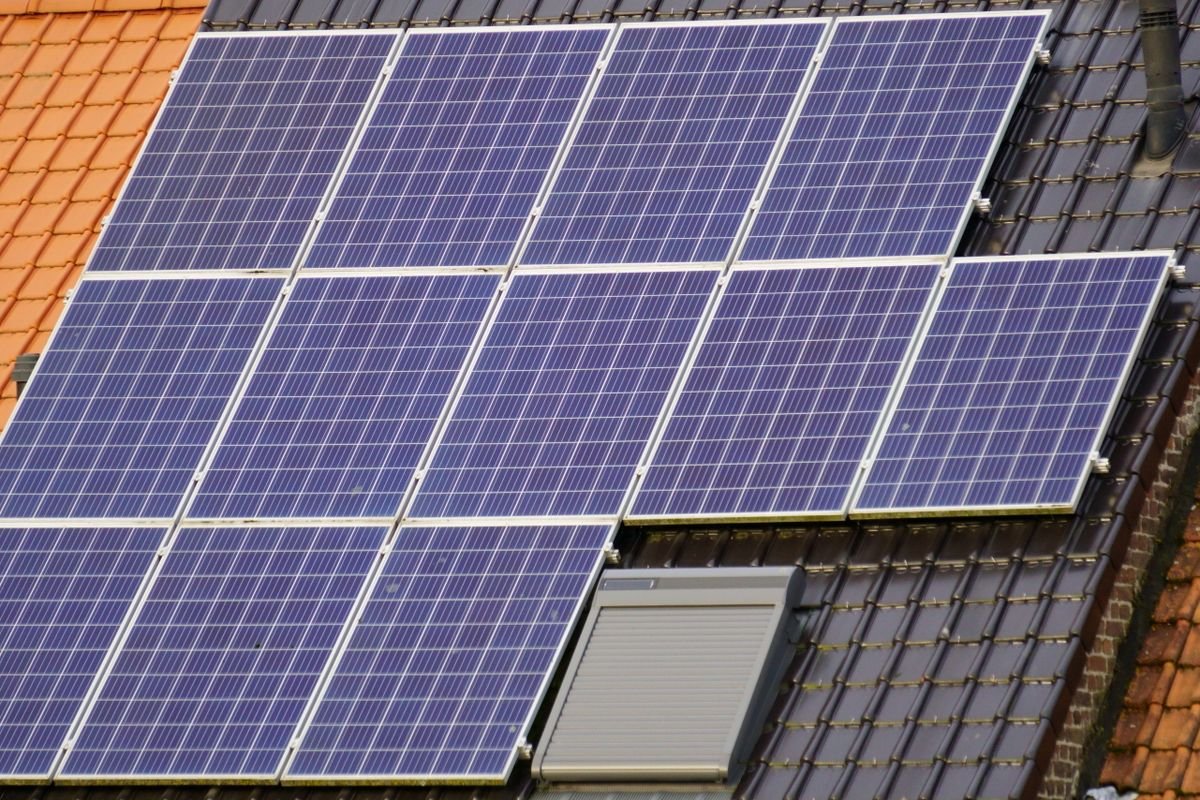
- Self-consumption: power you use directly from your panels, which saves the full import tariff on every unit
- Exports: surplus units sent to K-Electric under net billing, which earn a much lower buyback rate
Under the old net metering rules, both were worth about the same. Under net billing, a self-consumed unit is worth several times more than an exported one. That single change decides whether solar is worth it in Karachi for your home. Net metering vs net billing explained →
Free tool
Solar System Size & Savings Calculator for Karachi
Enter the units from your K-Electric bill. The calculator estimates system size, panels, roof space and monthly savings, using about 120 to 140 units per kW per month for Karachi.
Estimate only. Actual output depends on shading, tilt, cleaning and equipment. We confirm exact size and price after a free site survey.
How Much Can Solar Save on Your K-Electric Bill?
Here is a worked example with round, hypothetical numbers. It ignores taxes, fixed charges and time-of-use rates. Check your own bill for current rates.
A 5 kW system produces about 650 units a month on a yearly average in Karachi. Assume an import tariff of Rs 50 per unit and a buyback rate of Rs 11 per unit.
| Line | 70% used at home | 40% used at home |
|---|---|---|
| Self-consumed units | 455 × Rs 50 = Rs 22,750 | 260 × Rs 50 = Rs 13,000 |
| Exported units | 195 × Rs 11 = Rs 2,145 | 390 × Rs 11 = Rs 4,290 |
| Monthly saving | About Rs 24,900 | About Rs 17,300 |
| Yearly saving | About Rs 299,000 | About Rs 207,000 |
Same system, same sunshine, but about 44% more savings when more of the power is used at home. Try your own numbers in our solar calculator.
Solar Payback Period in Karachi
Payback period ≈ total system cost ÷ yearly savings
For example, if a 5 kW system cost Rs 1,000,000, payback in the example above would be about 3.3 years at 70% self-consumption and about 4.8 years at 40%. Use your own quote for an accurate figure. Current prices →
After payback, the savings continue for the rest of the system’s life. Panels typically carry long performance warranties, while inverters and batteries usually need replacing sooner, so include those costs in your long-term view.
What Makes Solar More Worth It
High daytime use
ACs, pumps, machinery or home offices running in daylight
Commercial solar installation in Karachi →Right sizing
a system matched to daytime use rather than oversized to export.
Solar system size guide →Good roof
unshaded, with enough space and a sensible orientation
Solar panel tilt angle in Karachi →Regular cleaning
Karachi dust and salt cut output if panels are neglected.
Solar panel cleaning in Karachi →Battery, where it fits
storing daytime surplus for evening use can raise self-consumption.
Hybrid solar system in Karachi →Business use
most businesses use power in working hours, so their self-consumption is naturally high.
Solar panel installation in Karachi →When Solar May Not Be Worth It
Solar is a long-term investment, so it may not suit you if:
- Your roof is heavily shaded by nearby buildings or trees
- You plan to move soon and cannot take the system with you
- Your consumption is very low
- Almost all your use is at night and a battery is not affordable
- Your roof cannot safely take a structure, or you have no rights to use it
Risks to Factor In
Policy changes
Buyback rates and net billing rules can change again. New agreements now run for five years, so assume your export terms may change. Plan savings mainly around your own daytime use.
Net metering vs net billing →Equipment replacement
Budget for an inverter replacement during the system’s life, and for batteries on hybrid systems, when you calculate solar payback in Karachi.
Lithium vs tubular battery →Output loss
Dust, summer heat and normal panel ageing reduce solar output over time, so regular cleaning and maintenance protect your savings and payback.
Solar maintenance & AMC plans →Bill components
Taxes, fixed charges and some other items on your K-Electric bill are not removed by solar, so your monthly bill rarely drops to zero. Check your bill breakdown before estimating savings.
Solar calculator Karachi →Why Is My Electricity Bill Still High After Solar?
If your bill has not dropped as expected, the usual causes are:
- Most of your use happens at night, when solar produces nothing
- You are exporting a lot of power, which earns a low buyback rate under net billing
- Fixed charges and taxes still appear on the bill
- Your consumption has grown since installing solar
- Your system is underperforming because of dust, shading or a fault
- Export or import readings have been recorded incorrectly
Compare your inverter app’s generation with your bill. If generation is low, see our solar repair service. If generation is normal, the fix is usually moving more use into daylight or adding a battery.
Frequently Asked Questions
Is solar installation worth it in Karachi?
For most homes and businesses with daytime use and a suitable roof, yes. The savings come mainly from the units you use directly, so a system sized to your daytime use gives the best return.
What is the solar payback period in Karachi?
It depends on the system price, your tariff and how much of the solar power you use yourself. Divide the total system cost by your expected yearly savings to estimate it.
How much can solar save on a K-Electric bill?
It depends on system size and self-consumption. In the example above, a 5 kW system saves roughly Rs 17,000 to Rs 25,000 a month, depending on how much of its output is used at home.
My K-Electric bill is too high. Would solar help?
If a large part of your use is in daylight, solar can cut it significantly. If most of your use is at night, a hybrid system with a battery, or shifting loads into the day, will make a bigger difference. Hybrid solar →
Is solar still worth it after net billing?
Yes, but design matters more than before. Size to your daytime use, move loads into daylight, and consider a battery if evening use is high.
Related Solar Services in Karachi
Get a Free Solar Site Survey in Karachi
Send your K-Electric bill on WhatsApp or call 0311-7443116. We reply with the right system size and an itemised quote.