Net Metering vs Net Billing in Pakistan: What Changed in 2026
– Net metering swapped exported and imported units one-for-one. Net billing pays a much lower buyback rate for exports while you still pay the full tariff for imports.
Key takeaways
- NEPRA notified the Prosumer Regulations 2026 on 9 February 2026, moving new solar users from net metering to net billing.
- People who signed a net metering agreement before 9 February 2026 keep their old terms until the agreement expires.
- Solar is still worth installing, but the value now comes mainly from the units you use yourself, not the units you export.
Net Metering vs Net Billing: The Short Answer
Under net metering, every unit your solar system exported to the grid cancelled one unit you imported, so you paid only for the difference. Under net billing, exported and imported units are priced separately. The distribution company buys your exports at a low buyback rate and sells you electricity at the normal tariff, so an exported unit is worth far less than an imported one.
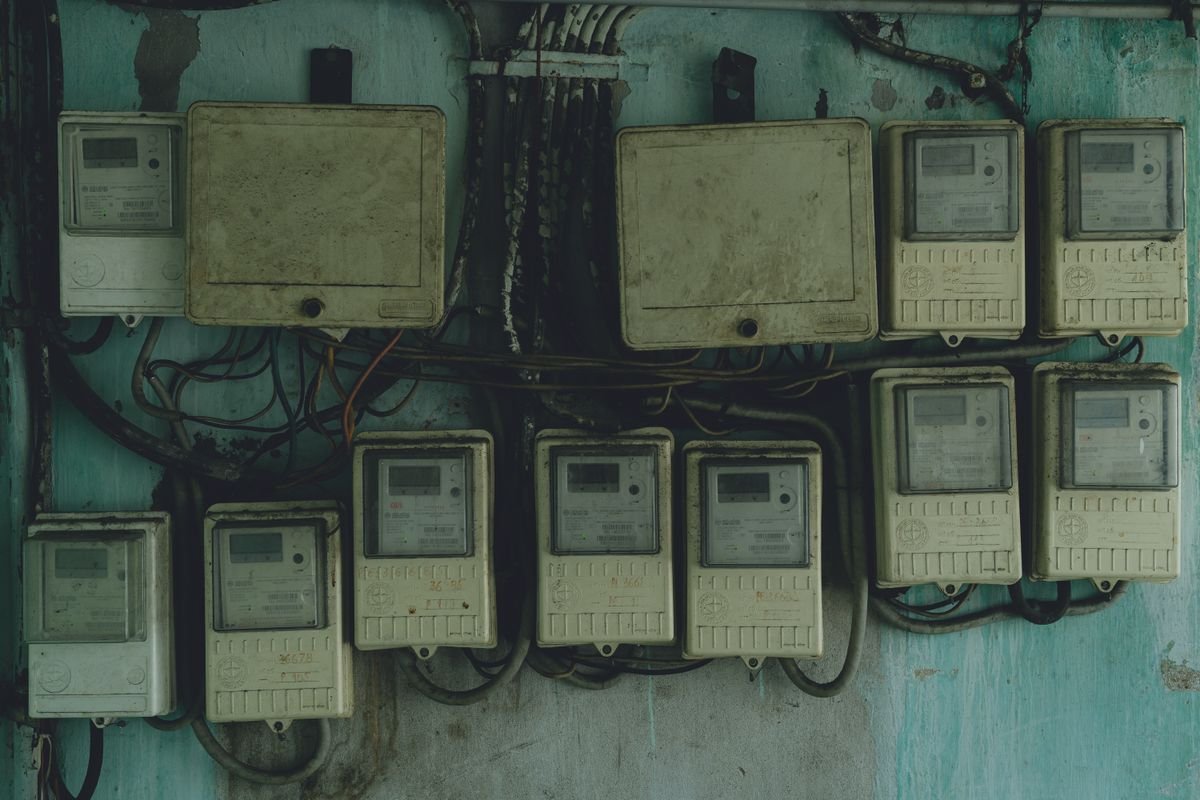
Net Metering vs Net Billing Compared
| Feature | Net metering (old) | Net billing (new) |
|---|---|---|
| How exports are valued | One exported unit offsets one imported unit | Paid at a buyback rate set by NEPRA |
| How imports are charged | Only net units billed | All imported units billed at your normal tariff |
| Contract length | 7 years | 5 years for new agreements |
| Export credit carry-forward | 3 months | 1 month |
| System size limit | Could exceed sanctioned load | Limited to sanctioned load |
| Existing agreements | Not applicable | Agreements signed before 9 Feb 2026 continue until expiry |
How the Change Happened
March 2025
the federal Economic Coordination Committee approved a lower buyback rate for net-metered solar and allowed NEPRA to revise it periodically.
Net metering in Karachi →9 February 2026
NEPRA notified the Prosumer Regulations 2026, replacing the 2015 net metering regulations with net billing and changing how exported solar units are credited.
Solar system size guide →Following days
the announcement drew strong criticism, and the Prime Minister directed that existing solar users be protected.
Solar panel installation in Karachi →16 February 2026
an amendment exempted consumers with net metering agreements signed before 9 February 2026, so their existing contracts remain valid until expiry.
Solar system for home in Karachi →Policy can still change, so check the latest NEPRA notification or ask your distribution company before signing a new agreement.
What Is the Net Billing Buyback Rate Now?
The buyback rate is linked to the national average power purchase price and can be revised by NEPRA, which is why you will see different figures online. When the regulations were notified, some reports gave the rate as Rs 8.13 per unit, while others reported about Rs 10 to 11, and later guides quote Rs 11 to 13. Under the old system, exported units were credited at around Rs 26 per unit.
Before you make a decision, confirm the current rate with your distribution company. In Karachi, that is K-Electric.
How Net Billing Changes Your Electricity Bill
Here is a simple illustration using round, hypothetical numbers. It ignores taxes, fixed charges and time-of-use rates.
Assume your system produces 600 units in a month. You use 400 of them directly, export 200, and import 300 units from the grid at night. Assume an import tariff of Rs 50 per unit and a buyback rate of Rs 11 per unit.
| Scheme | Calculation | Bill |
|---|---|---|
| Net metering → | (300 imported − 200 exported) × Rs 50 | Rs 5,000 |
| Net billing | (300 × Rs 50) − (200 × Rs 11) | Rs 12,800 |
In both cases the 400 units you used directly save you the full tariff. The difference comes entirely from how exports are valued. Try your own numbers in our solar calculator.
Who Is Affected?
Existing net metering users
If your net metering agreement was signed before 9 February 2026, your old terms continue until the agreement expires. Check the signing date on your agreement before adding panels or changing your system.
K-Electric net billing service →New solar users
All new solar applications are processed under net billing, so exported units are credited at the buyback rate rather than one-for-one against imported units. Size your system mainly for self-use, since exported units now earn far less than imported units cost.
K-Electric net metering process →People expanding a system
Adding capacity or changing an existing agreement may bring you under the new rules, so check with your distribution company first. Check your current agreement with us before adding panels or a bigger inverter.
How to choose a solar company →K-Electric customers in Karachi
K-Electric now processes new solar applications as net billing in line with the Prosumer Regulations, so new systems should be sized mainly for self-consumption. We prepare and submit the application for you and explain how the buyback rate affects your savings.
What size solar do I need? →Is Solar Still Worth It Under Net Billing?
Yes, for most homes and businesses. Every unit you use directly from your panels still saves you the full import tariff, and tariffs are high. What changes is that exporting large surpluses is much less rewarding, so oversized systems pay back more slowly than before. Is solar worth it →
How to Design a Solar System for Net Billing
Size to your daytime use
match the system to the power you actually use during daylight, instead of oversizing to export.
Solar calculator Karachi →Move loads into daylight
run washing machines, water pumps and, where possible, ACs during sunny hours.
kW sizing from your bill →Consider a battery
storing surplus daytime power for evening use can be worth more than exporting it.
Hybrid solar system in Karachi →Monitor your system
under net billing, every unit lost to dust or a fault is a unit you buy back at full price.
Green meter application help →Keep net billing anyway
exports still earn something, and the bidirectional meter records both directions accurately.
Net metering documents & steps →What This Means for Solar in Karachi
Karachi homes and businesses face high tariffs and load shedding in many areas. Under net billing, a hybrid system with batteries often makes more sense than before, because it adds backup during outages and increases how much of your solar power you use yourself. Our net metering page explains how K-Electric applications work now.
Frequently Asked Questions
Is net metering still available in Pakistan?
Not for new applicants. New solar connections are processed under net billing. Consumers with net metering agreements signed before 9 February 2026 keep their existing terms until the agreement expires.
Will existing net metering users lose their benefits?
Under the 16 February 2026 amendment, agreements signed before 9 February 2026 remain valid until they expire. What happens at renewal depends on the rules in force at that time.
What is the difference between net metering and net billing?
Net metering values exported and imported units equally. Net billing pays a lower buyback rate for exports and charges the normal tariff for imports.
Can the buyback rate change?
Yes. The rate is linked to the national average power purchase price and NEPRA can revise it, so always check the current figure.
Should I still apply for net billing?
Yes, in most cases. Even at a lower rate, exported units earn credit, and the bidirectional meter is required for grid-connected systems that export.
Sources
- NEPRA Prosumer Regulations 2026 notification
- K-Electric net billing guidelines
- Dawn, Express Tribune and Profit by Pakistan Today coverage of the regulations and buyback rate
- Arab News on the March 2025 ECC decision
Related Solar Services in Karachi
Get a Free Solar Site Survey in Karachi
Send your K-Electric bill on WhatsApp or call 0311-7443116. We reply with the right system size and an itemised quote.