Is It Safe to Install Solar Panels on My Roof? Earthing, Surge Protection and Fire Safety
Quick answer: Yes, a correctly designed and installed solar system is safe for your home and roof. Most safety problems come from shortcuts: missing earthing, no surge protection, wrong cables or connectors, weak structures or poorly sealed roof fixings. Knowing what a safe installation includes helps you spot these before they cause damage.
Why Solar Needs Its Own Safety Measures
Household wiring is AC. Solar panels produce DC, which behaves differently:
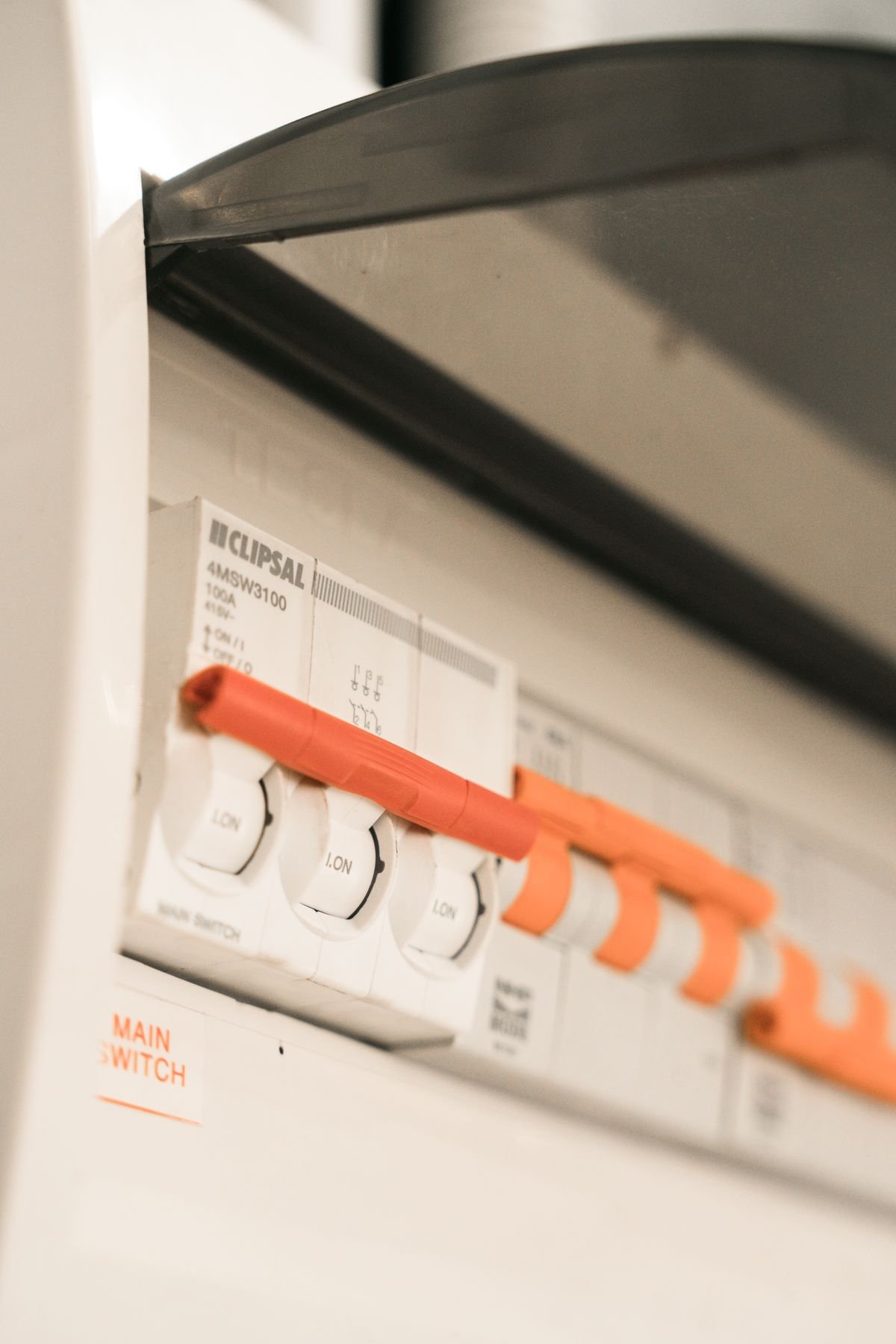
Panels are live whenever there is daylight
Switching off the inverter or the grid does not make the panel wiring safe to touch.
How to choose a solar company →DC arcs are harder to break
than AC arcs, so DC circuits need breakers and isolators rated for DC.
Solar panel installation in Karachi →Panel strings can reach high voltages
, well above normal household levels. Only trained technicians should open DC isolators or connectors.
Solar system for home in Karachi →That is why solar needs specific protection, not just ordinary electrical fittings.
Solar Earthing: The Most Important Safety Measure
Earthing gives fault current and surges a safe path to the ground. A proper solar earthing system includes:
- Earthing of the panel frames and mounting structure
- Earthing of the inverter and protection enclosures
- Dedicated earth pits, installed and tested for resistance
- Bonding so all metal parts sit at the same potential
Poor earthing can cause electric shock risks, inverter isolation faults and damage during storms. K-Electric’s guidelines also list earthing issues as a reason a net billing application can be rejected. K-Electric net metering process →
Surge Protection for Solar Systems
Surges come from lightning nearby and from switching on the grid. Surge protection devices (SPDs) divert these spikes before they reach your inverter and appliances. A safe design usually includes:
- SPDs on the DC side, between the panels and the inverter
- SPDs on the AC side, between the inverter and your distribution board
- Short, direct connections from the SPDs to the earthing system
An SPD is inexpensive compared with the inverter it protects.
Do You Need a Lightning Arrestor?
A lightning arrestor, or lightning protection system, is designed to take a direct strike safely to the ground. It is different from an SPD, which handles surges.
- Most homes rely on proper earthing and SPDs.
- Tall or exposed buildings, factories and large arrays may need a full lightning protection system designed to IEC 62305.
If a lightning protection system is installed, the solar array must be positioned and bonded correctly in relation to it. Ask your installer to assess this during the survey.
Cables, Connectors and Breakers
Many solar fires and faults start at the wiring. Check that your system uses:
- Proper solar (PV) cable on the DC side, double-insulated and UV-resistant, meeting standards such as EN 50618 or IEC 62930, not ordinary house wire
- Correctly sized cables, so they do not overheat at full output on sunny days
- Matching, properly crimped connectors. Mixing connector brands or poor crimping is a common cause of melted connectors.
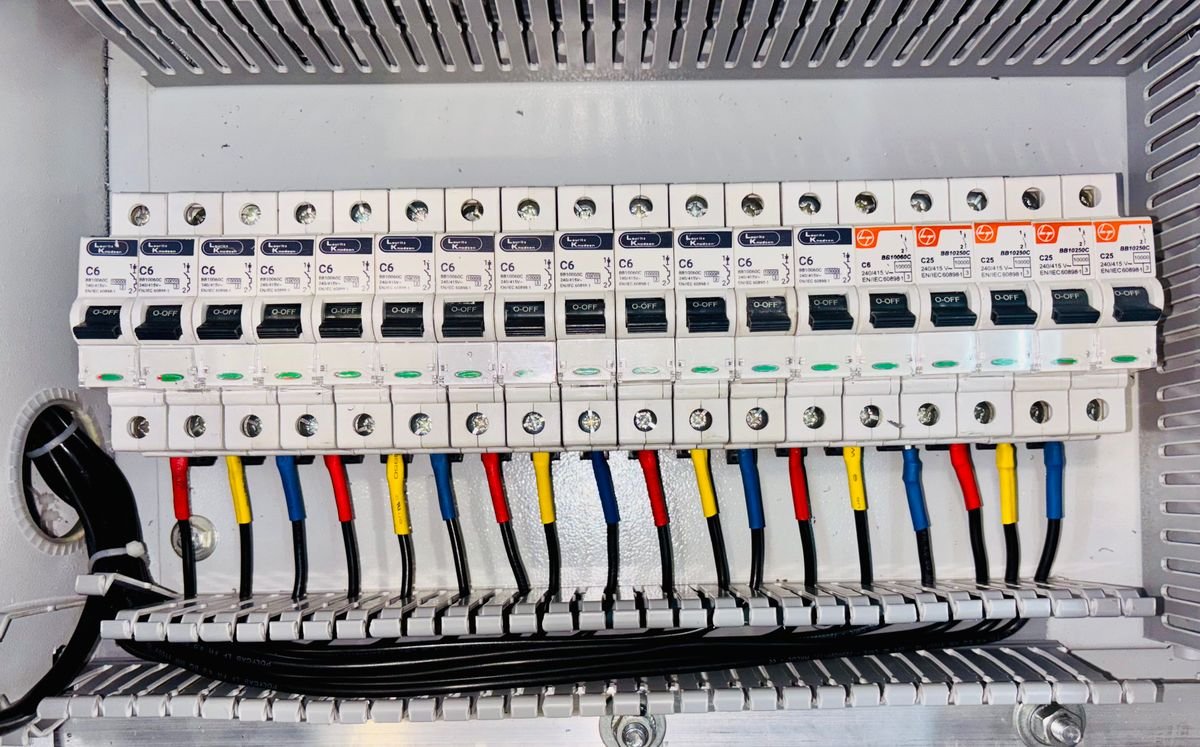
- DC-rated breakers and isolators on the DC side
- Cables that are clipped and protected, not lying loose on the roof in the sun
Can Solar Panels Cause a Fire?
The risk is low in a good installation. When fires happen, the usual causes are:
- Loose or poorly crimped DC connections that heat up
- Mismatched connectors
- Undersized cables or wrong breakers
- Damaged cables left exposed to heat and UV
- Batteries installed without proper ventilation, protection or a battery management system
Keep the inverter and batteries clear of flammable materials. If you ever smell burning, switch the system off using the inverter’s shutdown steps and call a technician. Solar repair →
Is Solar Safe During Rain and Lightning?
Yes, if the system is properly sealed, earthed and protected. Panels are designed for rain. Risks come from water entering poorly sealed junction boxes and cable entries, and from lightning surges on systems without SPDs and earthing. Our weather guide covers monsoon preparation.
Will Solar Damage My Roof?
Not when it is installed correctly. Roof problems come from poor fixings, not from the panels themselves. A safe installation:
- Checks roof condition and waterproofing before work starts
- Uses ballast or properly sealed anchors, depending on the roof
- Seals every fixing point to prevent leaks
- Leaves walkways so panels can be cleaned without stepping on them or damaging the roof
Elevated structures can help protect the roof and keep it usable underneath. Solar installation →
Can Solar Damage My Appliances?
A properly installed and configured inverter does not damage appliances. Problems usually come from:
- Surges without SPD protection
- Loose neutral or earth connections
- Incorrect inverter settings
- High grid voltage on sunny afternoons in areas with many solar systems
If lights flicker or appliances behave oddly after installation, have the wiring, earthing and inverter settings checked.
Signs of an Unsafe Solar Installation
- No visible earthing conductors on the structure or inverter
- No surge protection devices in the DC or AC boxes
- Ordinary house wire on the DC side
- Cables loose on the roof or tied to hot metal
- Connectors from different brands joined together
- Inverter mounted in direct sun or next to flammable items
- Roof fixings with cracked or missing sealant
If you notice any of these, book a safety check with our repair team. Solar repair →
Safety Tips for Homeowners
- Never open the inverter or touch DC cables or connectors
- Keep children away from the inverter, batteries and roof array
- Label the inverter shutdown steps and keep them near the inverter
- Have a technician inspect earthing, SPDs and connections periodically
- Tell firefighters or electricians that the building has solar panels
Frequently Asked Questions
Is it safe to install solar panels on my roof?
Yes, when the system has proper earthing, surge protection, correct DC cables and connectors, a sound structure and sealed roof fixings.
Is solar safe during rain and lightning?
Yes, if it is sealed, earthed and fitted with surge protection. Systems without these are more vulnerable to storm damage.
Do I need a lightning arrestor for my solar system?
Most homes rely on earthing and SPDs. Tall or exposed buildings and large arrays may need a lightning protection system designed to IEC 62305.
Can solar panels cause a fire?
Rarely, in a good installation. Most fires start from loose or mismatched connectors, undersized cables or poorly installed batteries.
Can solar cause roof leaks?
Only if fixings are poorly sealed. Correct anchoring or ballast and proper sealing prevent leaks.
Related Solar Services in Karachi
Get a Free Solar Site Survey in Karachi
Send your K-Electric bill on WhatsApp or call 0311-7443116. We reply with the right system size and an itemised quote.