Why Is My Solar System Producing Less Electricity? A Troubleshooting Guide
– Never open the inverter or touch DC cables or connectors. Solar panels produce dangerous DC voltage whenever there is daylight, even when the grid is off.
Quick answer: The most common reasons a solar system produces less electricity are dust and bird droppings, new shading, seasonal changes, inverter errors or overheating, a faulty string or connector, and grid voltage problems. Start by comparing today’s output with what your system normally produces, then check the panels, the inverter screen and the breakers. Leave anything involving DC wiring to a technician.
Safety first
- If you see smoke, smell burning or notice melted parts, switch the system off using your inverter’s shutdown steps and call a technician.
- Do not climb onto a roof without safe access.
Step 1: Check What “Normal” Looks Like
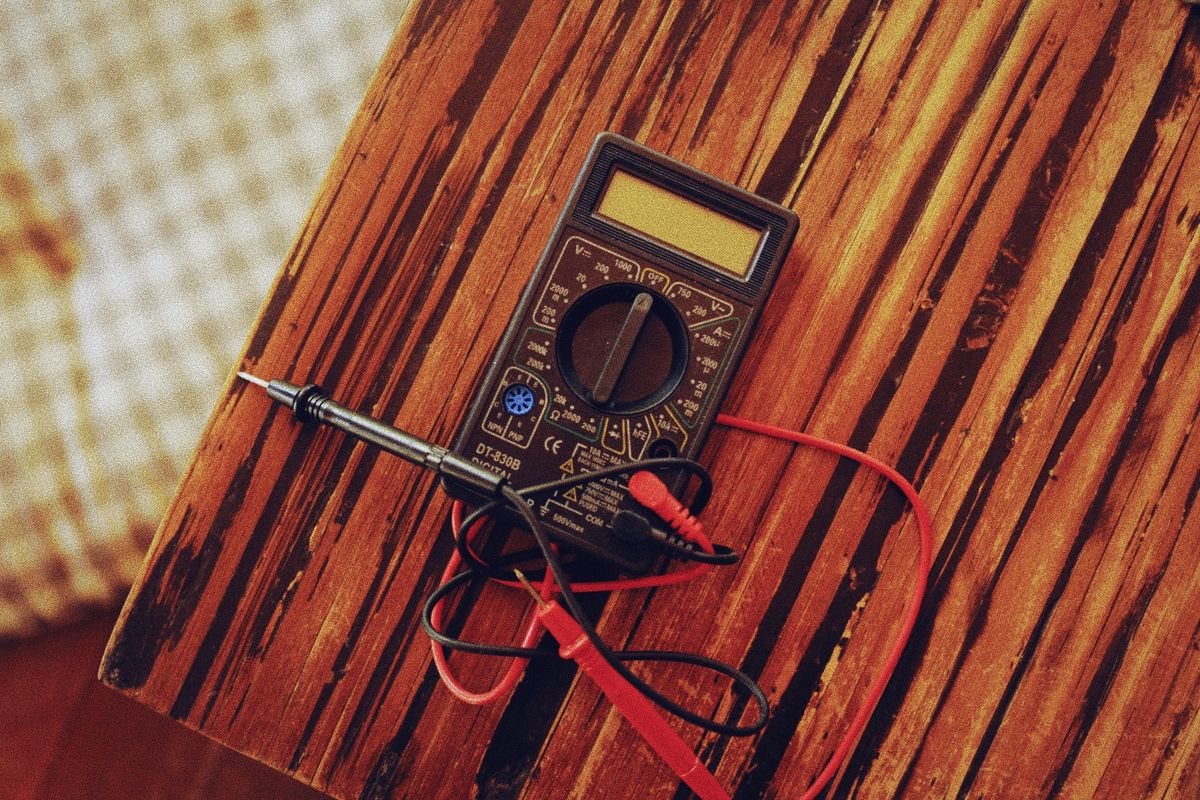
Before assuming a fault, compare like with like. Output changes with the season, weather and time of day.
- Winter days are shorter, so monthly output is lower than in summer
- Monsoon clouds and haze can cut output sharply for days at a time
- Very hot afternoons reduce panel efficiency slightly
As a rough guide, a well-placed system in Karachi averages about 4 to 4.7 units per kW per day over a year. Compare this month with the same month last year in your inverter app, and with clear days just after your last cleaning. Weather guide →
Step 2: Look at the Panels
From a safe spot, check for:
- A layer of dust, soot or salt film
- Bird droppings, which can shade a whole cell
- New shading from construction, a water tank, a dish antenna or a tree
- Cracked glass or brown or dark patches on panels
Dust is the most common cause of low output in Karachi. If the panels look dirty, clean them safely or book a cleaning, then compare the next clear day’s output. Cleaning guide →
Step 3: Check the Inverter Screen or App
Note the status, today’s generation, and any error or warning code. Most inverter apps also show the voltage and current of each panel string, often labelled PV1 and PV2.
- If one string shows much lower voltage or current than the other on a clear day, there may be a faulty panel, connector or cable in that string. That needs a technician.
- If the app shows zero but the inverter screen shows normal output, the problem is probably the Wi-Fi connection, not the system.
Step 4: Check the Breakers
Look at the AC breakers and isolators between the inverter and your distribution board. A tripped breaker on the AC side stops the system exporting power even when the panels are fine. If a breaker keeps tripping, do not keep resetting it. Call a technician.
Step 5: Consider Grid Voltage
Inverters disconnect when grid voltage or frequency goes outside safe limits. In areas with many solar systems, voltage can rise on sunny afternoons, and inverters may disconnect repeatedly. If your inverter shows grid overvoltage or grid fault errors around midday, a technician can check the voltage and settings, and K-Electric may need to be contacted about supply voltage.
Common Inverter Error Types Explained
Each brand uses its own codes, so check your inverter manual. Most errors fall into a few groups:
| Error type | What it usually means |
|---|---|
| Grid voltage or frequency | The grid is outside the inverter’s allowed range, often at midday or during unstable supply |
| Isolation or insulation fault | Current is leaking from the DC side, often after rain or because of a damaged cable or connector |
| Over-temperature | The inverter is too hot, usually because of direct sun or poor ventilation |
| DC overvoltage or input error | String voltage is outside the inverter’s range, often a design or wiring issue |
| Battery or BMS communication | On hybrid systems, the inverter and battery are not communicating correctly |
Isolation faults and DC input errors should always be checked by a technician. Solar repair →
Why Does My Solar Inverter Keep Tripping in Summer?
Summer tripping in Karachi usually comes from heat or voltage:
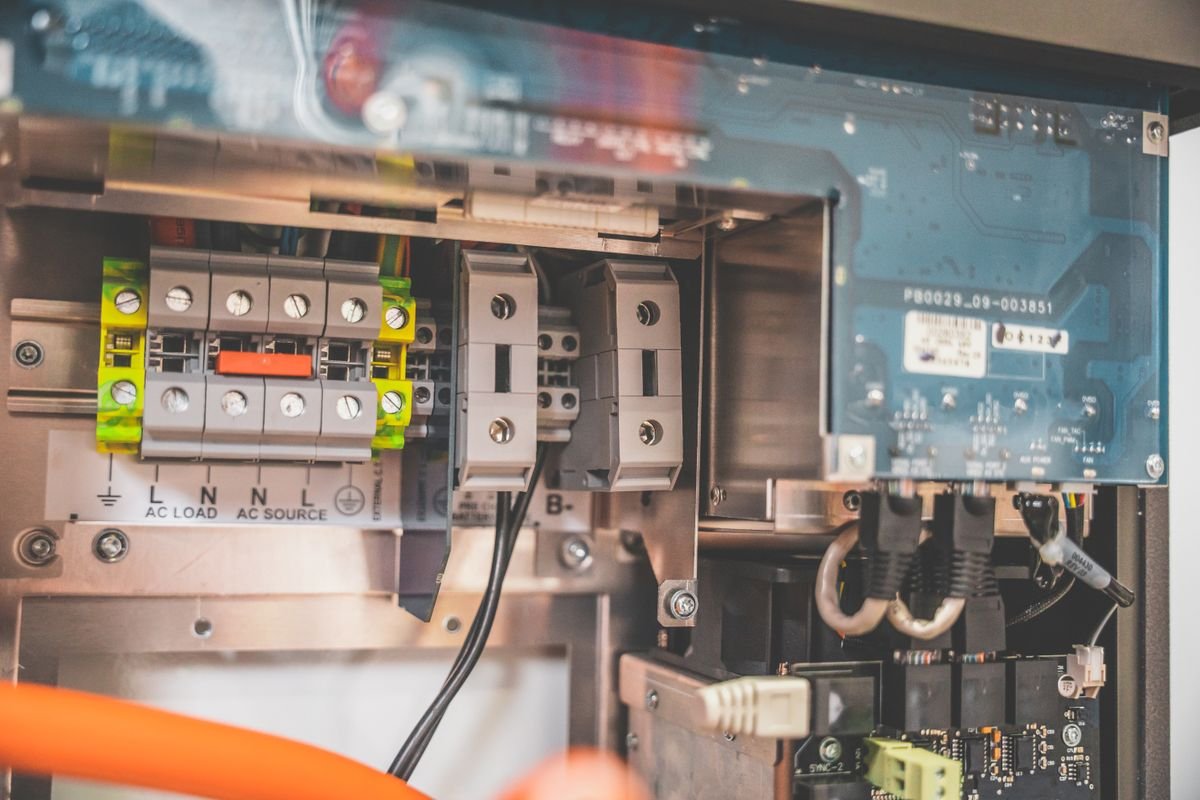
- The inverter is mounted in direct sun or a hot, closed space and overheats
- AC cable or breakers are undersized for the inverter’s full output on bright days
- Loose connections heat up under high current
- Grid voltage rises at midday and pushes the inverter outside its limits
You can safely check whether the inverter is in direct sun or has blocked vents. Cable sizing, connections and voltage settings need a technician.
Why Are My Solar Panels Not Charging the Battery?
On hybrid systems, common causes are:
- Battery charging settings, such as battery type, charge current or state-of-charge limits, are set incorrectly
- The inverter and battery are not communicating, so charging is blocked
- Solar output is too low on cloudy days to charge the battery after running your loads
- The battery is at the end of its life and can no longer hold a full charge
Our battery comparison explains the signs of a failing battery.
Why Isn’t Solar Reducing My Electricity Bill?
If your system is generating normally but your bill has not dropped much, the cause is usually how you use power rather than a fault. Night-time use, exports earning a low buyback rate under net billing, fixed charges and higher consumption all play a part. Is solar worth it →
Signs Your Solar Inverter Needs Repair
- The same error keeps returning after restarts
- The inverter shuts down repeatedly on sunny days
- Output is much lower than before with clean panels and no new shade
- The screen is blank or the inverter will not start
- You notice a burning smell, unusual noise or excessive heat
When to Call a Technician
Call a technician for any isolation fault, DC input error, repeated tripping, burning smell, damaged panel or string imbalance. These involve high DC voltage and need proper testing equipment. Our solar repair service handles systems from any installer. Call or WhatsApp 0311-7443116.
Frequently Asked Questions
Why is my solar system producing less than before?
Dust, new shading, seasonal changes, a faulty string or connector, inverter overheating and grid voltage issues are the most common causes. Clean panels and a clear-day comparison usually narrow it down.
My solar inverter keeps tripping in summer. What should I check?
Check that the inverter is out of direct sun and its vents are clear. If tripping continues, have a technician check cable sizing, connections and grid voltage.
How do I check my solar panel output?
Use your inverter’s app or screen to compare daily generation with the same period last year, and check each string’s voltage and current on a clear day.
Why are my solar panels not charging the battery?
Usually incorrect charging settings, a communication fault between inverter and battery, low solar output, or a battery nearing the end of its life.
Is it safe to reset my solar inverter myself?
Following the shutdown and restart steps in your inverter manual is generally safe. Do not open the inverter or touch DC wiring, and call a technician if the fault returns.
Related Solar Services in Karachi
Get a Free Solar Site Survey in Karachi
Send your K-Electric bill on WhatsApp or call 0311-7443116. We reply with the right system size and an itemised quote.