Solar for Apartments in Karachi: What Flat Owners, Portions and Tenants Can Do
Quick answer: Solar for apartments in Karachi is possible, but it depends on who controls the roof, how much space there is, and how the building’s meters are arranged. The most practical options are a shared rooftop system for common areas, individual systems on allocated roof sections, or a battery backup system for flats with no roof access. Every option needs written consent from whoever controls the roof.
The Main Challenge: Who Owns the Roof?
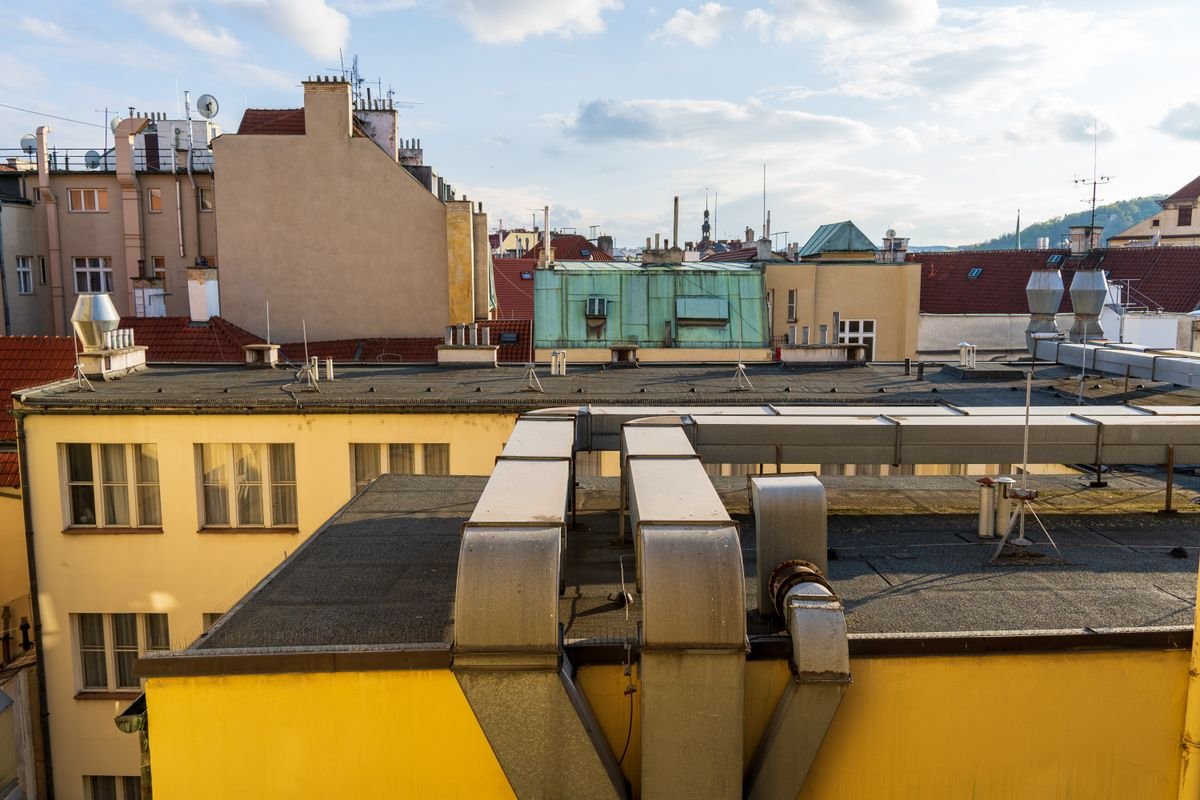
In most apartment buildings, the roof is shared or controlled by the builder, the owners’ association or the society. Before any flat owner can install panels, you need clear, written permission from whoever controls it. Check your building’s association rules, your lease or sale documents, and any society by-laws.
This also matters for net billing. K-Electric’s guidelines say an application can be rejected if roof ownership cannot be confirmed. K-Electric net metering process →
Your Three Main Options
Option 1: Shared rooftop system for common areas
One system on the roof powers shared loads such as water pumps, lifts, stair and parking lights, and security gates. These often run in daytime and are paid for by all residents, so it can cut maintenance charges for everyone. It connects to the common meter and is managed by the association.
Solar panel cleaning in Karachi →Option 2: Individual systems for each flat
Where the association agrees, the roof is divided so each flat gets its own section and system on its own meter. K-Electric treats each meter as a separate case. Roof space usually limits each flat to a small system. Each flat gets its own meter, inverter and savings.
Solar system for home in Karachi →Option 3: Battery backup without panels
With no roof access, a hybrid inverter with a lithium battery can still keep essential loads running during load shedding, charging from the grid when power is available. It solves outages but does not cut your bill. It charges from the grid and powers essentials during outages.
Lithium vs tubular battery →How Much Solar Can Each Flat Get?
Here is a rough example of how roof space limits individual systems:
| Item | Value |
|---|---|
| Usable roof area | 2,000 sq ft |
| Space per kW | 60 to 80 sq ft |
| Total capacity | About 25 to 33 kW |
| Split between 12 flats | About 2 to 2.8 kW each |
That is useful for daytime fans, lights and a fridge, but usually not enough to cover heavy AC use. Long cable runs from the roof to lower flats also need careful sizing and safe routing through shafts. Solar size guide →
What About Balcony Solar?
A few panels on a balcony or wall produce very little power, often face the wrong direction and can be a safety risk at height in strong winds. They also need building permission. For most flats, a shared rooftop system or battery backup is more practical.
Upper and Lower Portions
In houses split into portions, the roof usually belongs to the upper portion or is shared under an agreement. Before installing:

- Agree in writing who can use which part of the roof
- Confirm which meter each system will connect to
- Check each meter’s sanctioned load, because a system cannot exceed it under net billing
- Plan separate systems if both portions want solar, with a fair split of roof space
Rented Homes and Tenants
Tenants can install solar with the owner’s written permission. Agree in advance:
- Who pays for the system
- Who owns it when the tenancy ends
- Whether it will be removed or left in place
Structures and systems can be designed so they are easier to remove and reinstall later. Net billing applications need the owner’s documents and confirmed roof ownership.
Safety and Structural Checks for Apartment Roofs
Structural load
roofs already carry water tanks, so the structure’s weight must be checked
Solar calculator Karachi →Wind at height
taller buildings face stronger winds, so structures need proper anchoring or ballast
Solar panels in Karachi weather →Cable routing
DC and AC cables passing through shafts must be protected and fire-safe
Solar earthing & safety guide →Access
safe access is needed for installation, cleaning and maintenance
Solar maintenance & AMC plans →Earthing and surge protection
essential on tall, exposed roofs.
Solar panel installation in Karachi →Steps for Apartment Residents and Associations
Raise it
talk to the owners’ association or building management
Survey the roof
measure usable space and check the structure
Choose the model
a shared common-area system, individual systems, or both
Agree in writing
roof allocation, cost sharing, maintenance, cleaning access and liability
Apply for net billing
on each meter being connected
Frequently Asked Questions
Can I install solar panels on my apartment roof?
Only with written permission from whoever controls the roof, usually the association, builder or society. The roof must also have enough safe, usable space.
Can each flat have its own solar system?
Yes, if the roof is divided by agreement and each system connects to that flat’s own meter. Roof space usually limits each flat to a small system.
Can the upper portion owner install solar without the lower portion?
It depends on who owns or controls the roof. A written agreement between portion owners avoids disputes, especially if both want solar later.
Can tenants install solar?
Yes, with the owner’s written permission and a clear agreement on cost and ownership when the tenancy ends.
What can I do if I have no roof access?
A hybrid inverter with battery backup can cover load shedding, or you can propose a shared common-area system to your association. Hybrid solar →
Related Solar Services in Karachi
Get a Free Solar Site Survey in Karachi
Send your K-Electric bill on WhatsApp or call 0311-7443116. We reply with the right system size and an itemised quote.